What is Personal Injury Protection coverage?
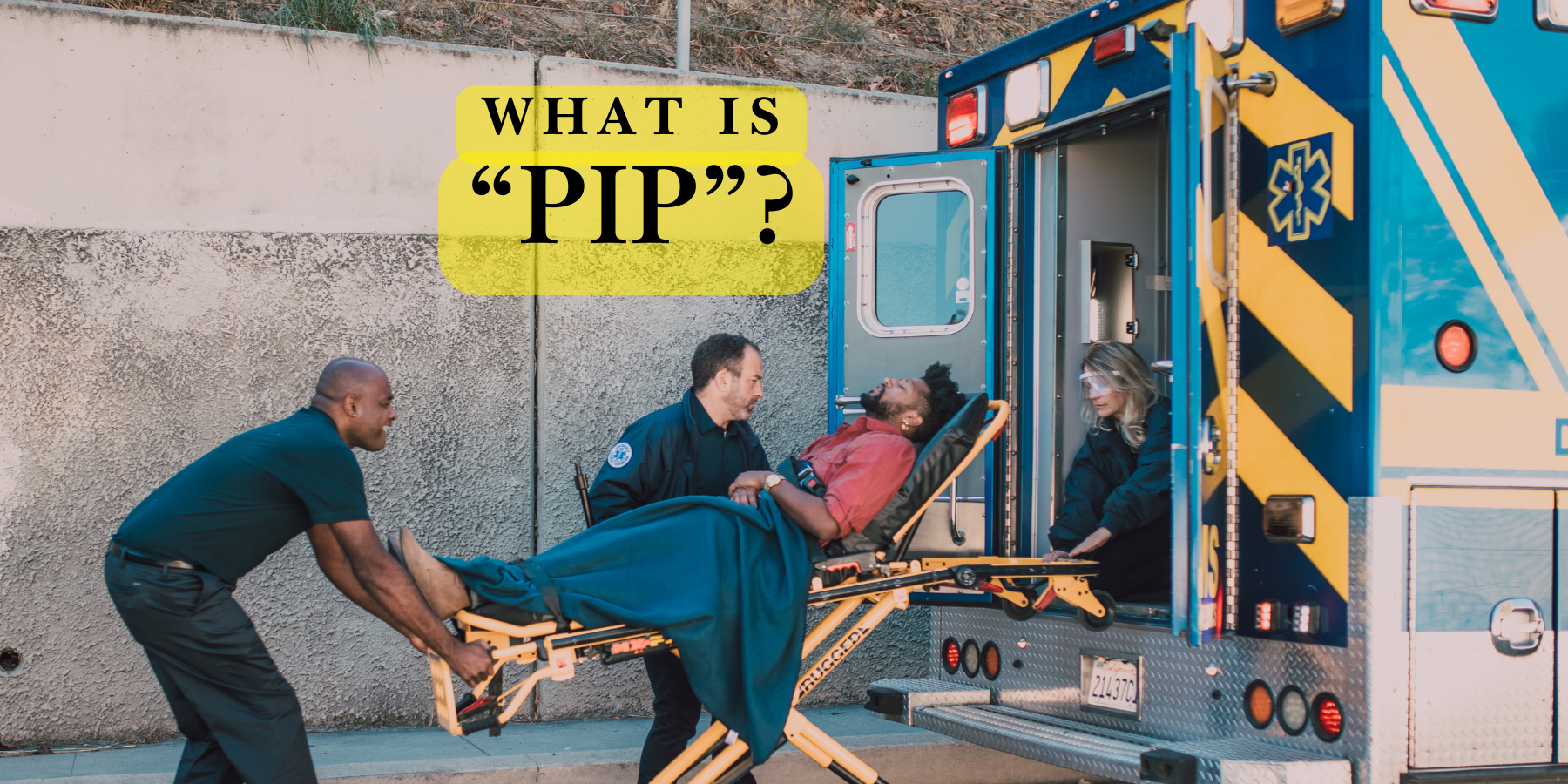
Personal Injury Protection (PIP), also known as “no-fault insurance” is an auto insurance coverage that helps pay for medical bills, rehabilitation, and other essential costs if you or your passengers are injured in an accident – no matter who's at fault.
Is PIP Insurance Required in Utah?
Utah is a fault state, which means that the driver who caused the accident is responsible for paying damages to the other parties involved. To uphold this financial responsibility, state law requires all drivers to carry liability insurance, which pays for things like medical care and property repairs after an accident.
However, Utah also requires all drivers to carry at least $3,000 of PIP insurance. Drivers who want additional protection can typically purchase higher limits from their insurer, with some policies providing $5,000 or $10,000 per person in coverage. Because medical care and other damages can easily exceed the $3,000 minimum, it is advisable to purchase higher limits if possible.
What does Personal Injury Protection cover?
PIP covers you (the policyholder) and your passengers for several expenses related to your auto accident and recovery.
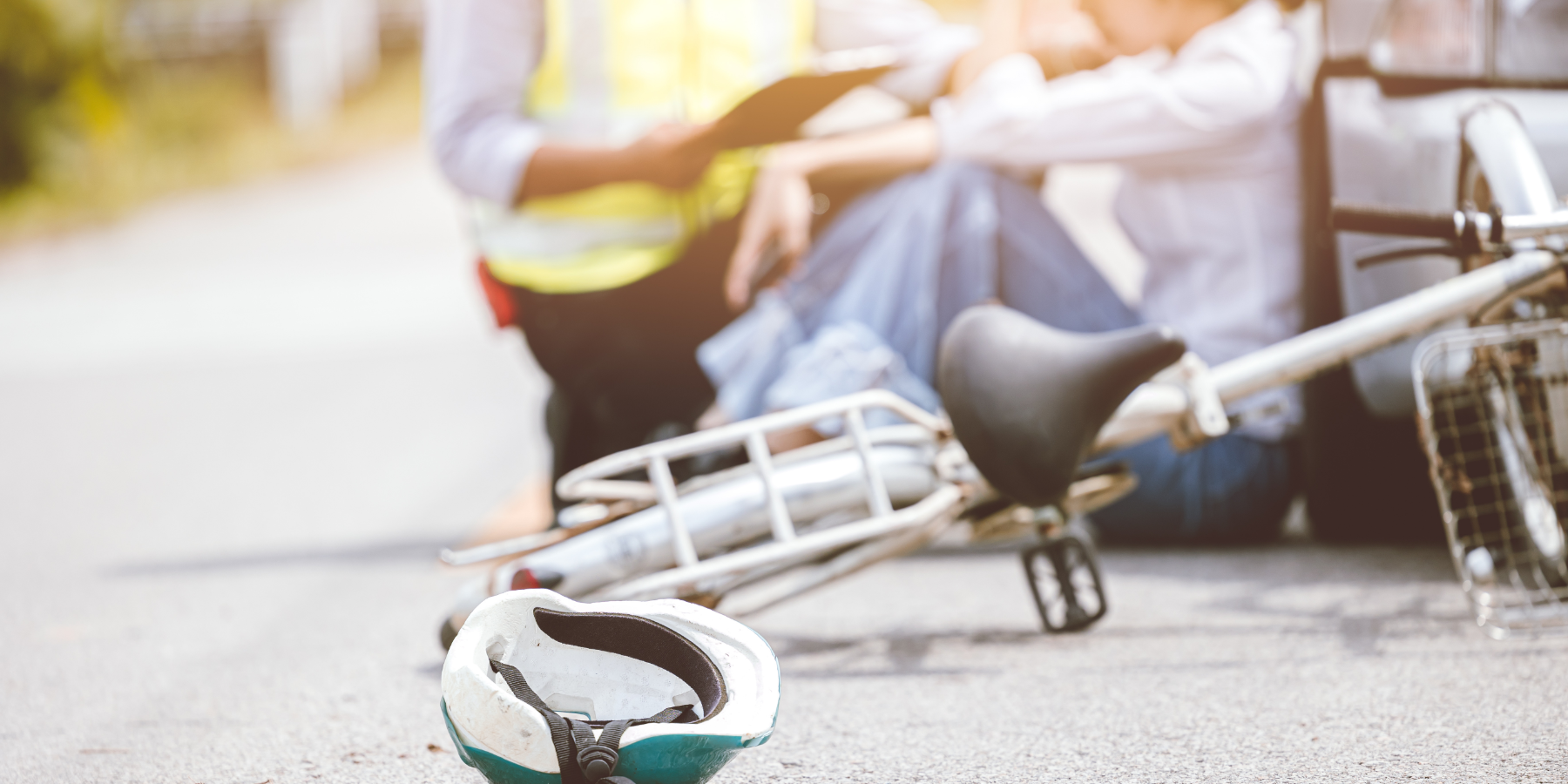
Even if you aren't behind the wheel, PIP coverage can help pay for your injuries if you're a passenger in another person's car or if you're struck by a vehicle as a pedestrian or while bicycling.
Specific expenses covered by Personal Injury Protection vary based on your insurance company, what state you live in, and your policy limits.
Examples of expenses typically covered under PIP (subject to the policy's limits and any deductibles) include
Hospital and medical bills for reasonable and necessary expenses (for you or someone else who was injured)
Ambulance services
Medical and surgical treatments
Hospital stays
Nursing care
Prescriptions and other medical supplies
X-rays
Prostheses
Dental care
Optical treatment
Chiropractic services
Rehabilitation costs. This includes physical and occupational therapy as part of your recovery.
Childcare expenses. PIP can help with childcare costs if your injuries make it impossible for you to provide proper care for your children.
Lost income. If you or your passengers can't work due to injuries from an auto accident, PIP can help recover some of those wages. If you're self-employed and your injuries require you to hire subcontractors or temporary employees, PIP can sometimes help cover those costs as well.
Nursing care. If you need medical assistance while recovering from your injuries at home, PIP can help with the cost.
Funeral expenses. This includes burials and cremations.
When to Use PIP vs Filing a Third-Party Claim
Since PIP insurance is a no-fault coverage, you can use it immediately after an accident to cover your medical expenses and lost wages. This can be especially helpful if you need medical treatment right away, or if you were at fault for the accident.
If it is clear that another driver’s negligence caused your collision, you should pursue a third-party claim against the at-fault party’s insurance coverage.
If you're unsure what's appropriate for your situation, it could be helpful to speak with a personal injury attorney so you can better understand your options and make an informed decision.
What does Personal Injury Protection not cover?
How much PIP coverage do I need?
Ultimately, the right amount of PIP coverage depends on your individual circumstances, including your budget, health insurance, driving habits, and financial situation. Taking the time to compare your options and consider how different coverage limits could affect you after an accident can help you choose the level of protection that best fits your needs.